

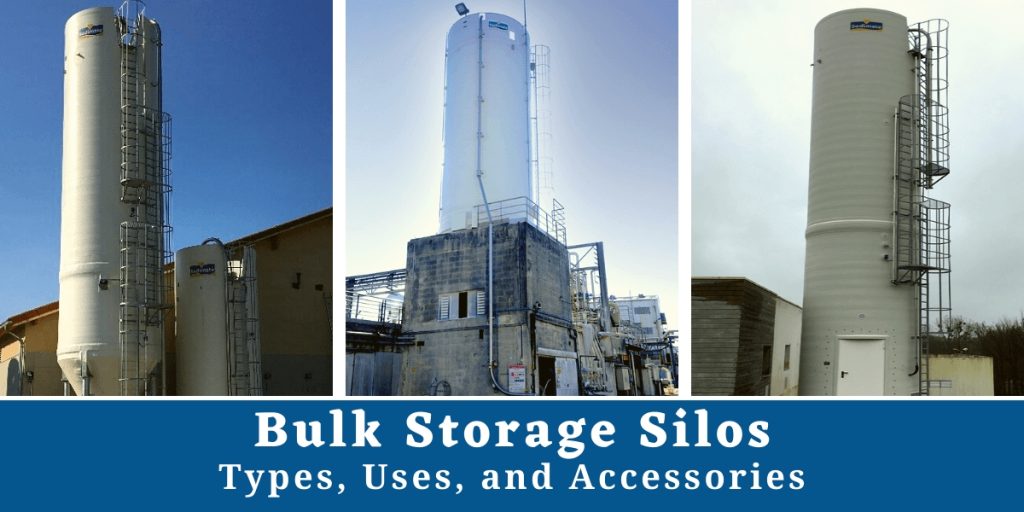
Bulk Storage Silos; Types, Uses, and Accessories
A bulk storage silo is a storage solution for storing and discharging...
Read More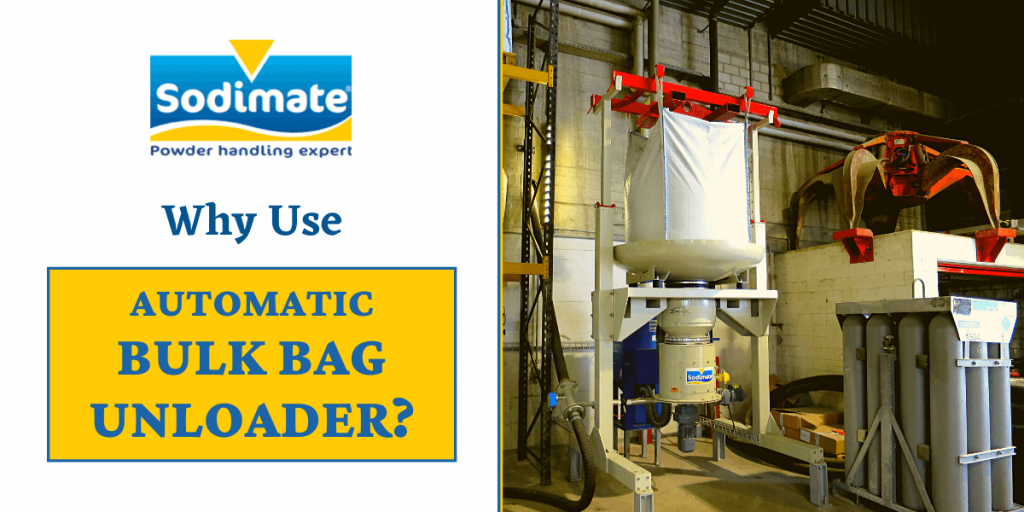
Reasons To Use An Automatic Bulk Bag Unloader Station
What is an Automatic Bulk Bag Discharger? An automatic bulk bag unloader...
Read More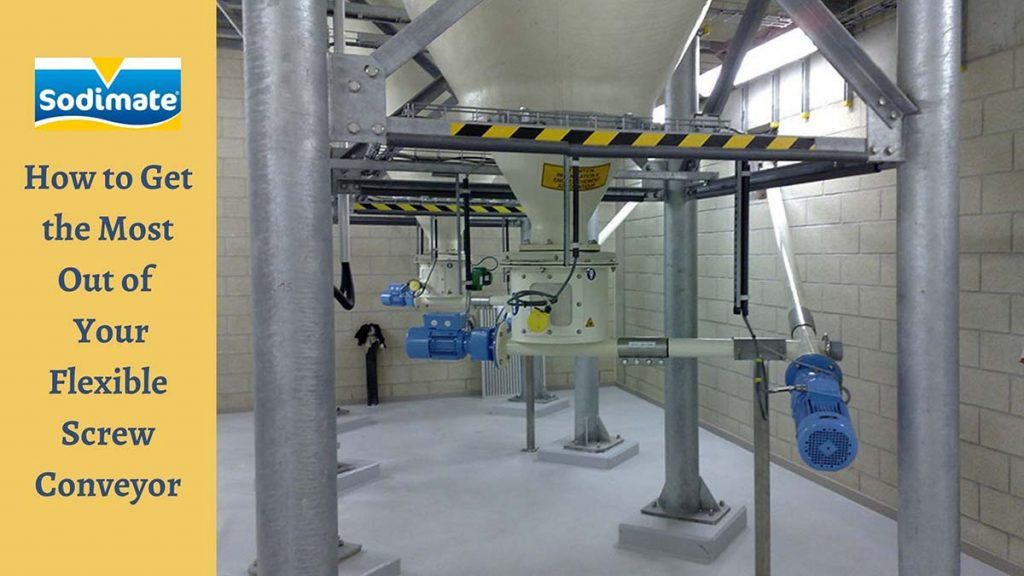
How to Get the Most Out of Your Flexible Screw Conveyor
Before we find out more on how to get the most out...
Read More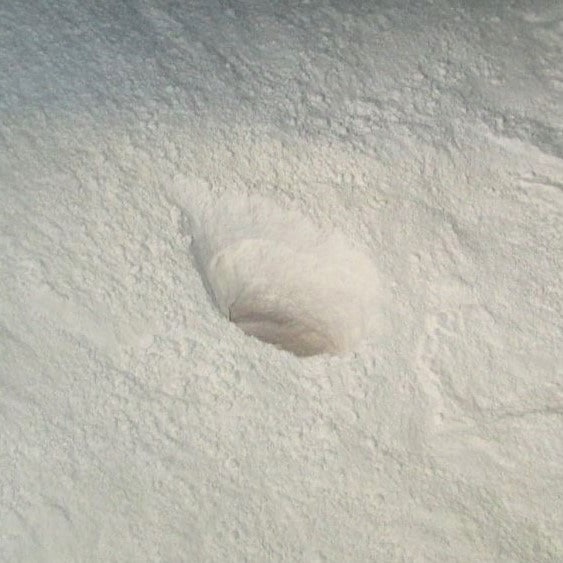
Blockages issues for Industrial silos
Preventing and repairing industrial silos blockages such as arching, tunnels flows, bridging...
Read More
Working with Sodimate - Powder handling solutions

Documentation
The standard documentation package includes a specific general arangement drawing, a control philosophy, a P&ID, OMMs and individual data sheets.
Read More
COVID-19 epidemic: Disinfection of sewage sludge using lime stabilization before spreading

COVID-19 epidemic: Disinfection of sewage sludge using lime stabilization before spreading
Should we be alerted to the agricultural spreading of sludge from wastewater treatment plants that could contain or even spread the SARS-CoV-2 virus?

At the beginning of April, the French National Health Security Agency (ANSES), urged operators not to spread sewage sludge produced during the pandemic without prior disinfection.
Currently in France, the production of sludge from wastewater treatment plants (WWTP) is over 1 million tons of dry product. More than 70% of this sludge is used in agriculture, with the aim of supplying the soil with organic matter and nutrients like nitrogen and phosphorus.

ANSES supports the current disinfection and stabilization treatments guaranteeing the safety of sludge while keeping its effectiveness, especially for the sludge liming process or after dewatering.
“In France the agricultural use of sludge from WWTPs is regulated by a decree passed on 8 January 1998, accurately sets the requirements needed to be met for sludge to be considered disinfected.
As data on the removal of SARS-CoV-2 from sludge and effluents are still unconfirmed, NHSA based the analysis on the knowledge of other viruses. This includes enteroviruses, phages and animal coronaviruses, to estimate the resistance of the virus in sludge and against applied treatments.
The government agency analyzed the main factors underlying the efficiency of the disinfection and stabilization processes: time (for all processes), heating processes or those increasing the temperature (digestion or composting of organic matter using bacteria, liming with quicklime) and pH modification for liming. “ (ANSES, 2020)
SODIMATE supplies a wide range of equipment to perform the disinfection of sewage sludge with quicklime or hydrated lime.
Read More
Hydrated Lime vs Quicklime: What’s the Difference and How to Use Them
Though hydrated lime and quicklime are both calcium compounds, they differ in...
Read More
What is delayed sludge stabilization ? (Class B)
Europe produces about 9.3 million tons per years of dewatered sludge from wastewater-treatment plants (WWTP). Commonly the produced sludge is mixed with calcium oxide or quick lime (CaO) for agricultural use as fertilizer.
Read More